Free first chapters, free ebook alerts & a monthly signed-book drawing. Join the Readers Club →

Parenting

Curriculum Foundational Education Life Skills Parenting Physical Education Wellbeing

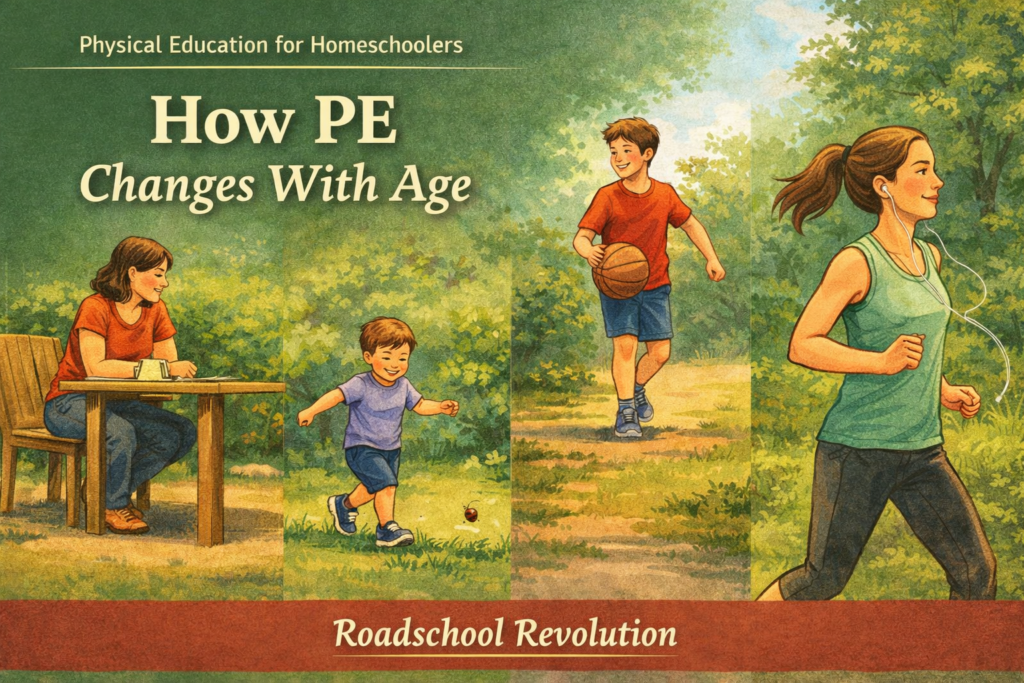
How Physical Education Should Change as Your Child Grows

I kept using the same approach. And somewhere around age ten, it stopped working.

For a long time, PE at our house looked pretty much the same every year. Go outside. Move around. Come back tired. I called it PE, and mostly it was fine.

Then somewhere around age nine or ten, something shifted. The backyard games that used to keep my child moving for an hour now got an eye roll. The obstacle course that once felt exciting was suddenly beneath them. The child who used to run laps just because running was fun now needed a reason.

I thought something was wrong. Wrong with the plan. Wrong with my kid. Wrong with me for not being more creative or consistent or structured.

It was none of those things.

My child changed. And I hadn’t.

How Physical Education Should Change as Your Child Grows Read Post »
Behavioral Development Parenting Waypoint 9 — Saying It Out Loud Wellbeing

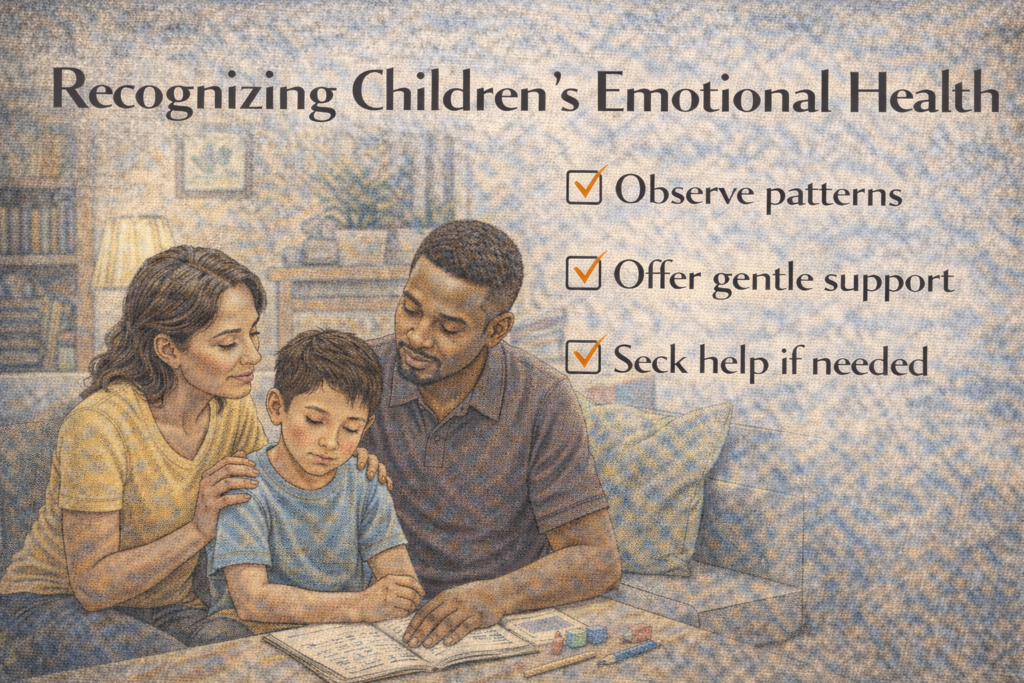
Helping Homeschool Families Recognize and Support Children’s Mental Health

One of the quietest advantages of homeschooling is also one of the most significant. You are there.
Not for a few hours at the end of the day, piecing together how your child’s day went from a backpack full of papers and a one-word answer to “how was school?” You are present for the mornings when something is off before they can name it, the afternoons when frustration spills over into something bigger than the math problem that triggered it, and the weeks when a child who was open and engaged gradually becomes quieter and harder to reach.

Helping Homeschool Families Recognize and Support Children’s Mental Health Read Post »

Scroll to Top