Free first chapters, free ebook alerts & a monthly signed-book drawing. Join the Readers Club →

Wellbeing

Curriculum Foundational Education Getting Started Life Skills Physical Education Wellbeing

What Should Homeschool PE Actually Build Over Time?

You’ve been asking the right question. Just not the most important one.

You counted the minutes.

Forty-five minutes of bike riding. Thirty minutes at the park. Twenty minutes of tag in the backyard. You added them up at the end of the week, took a breath, and told yourself it was probably enough.

I did the same thing for longer than I’d like to admit. And I want you to know — it’s not a bad place to start. Movement is movement. Kids need it. There’s nothing wrong with outdoor play counting for something.

But here’s what nobody told either of us: counting minutes tells you how long your child moved. It tells you almost nothing about whether they’re actually developing. And those two things are not the same.

The question most of us have been asking is: are we doing enough? That’s a good question. But there’s a better one hiding underneath it.

What Should Homeschool PE Actually Build Over Time? Read Post »
Behavioral Development Parenting Waypoint 9 — Saying It Out Loud Wellbeing

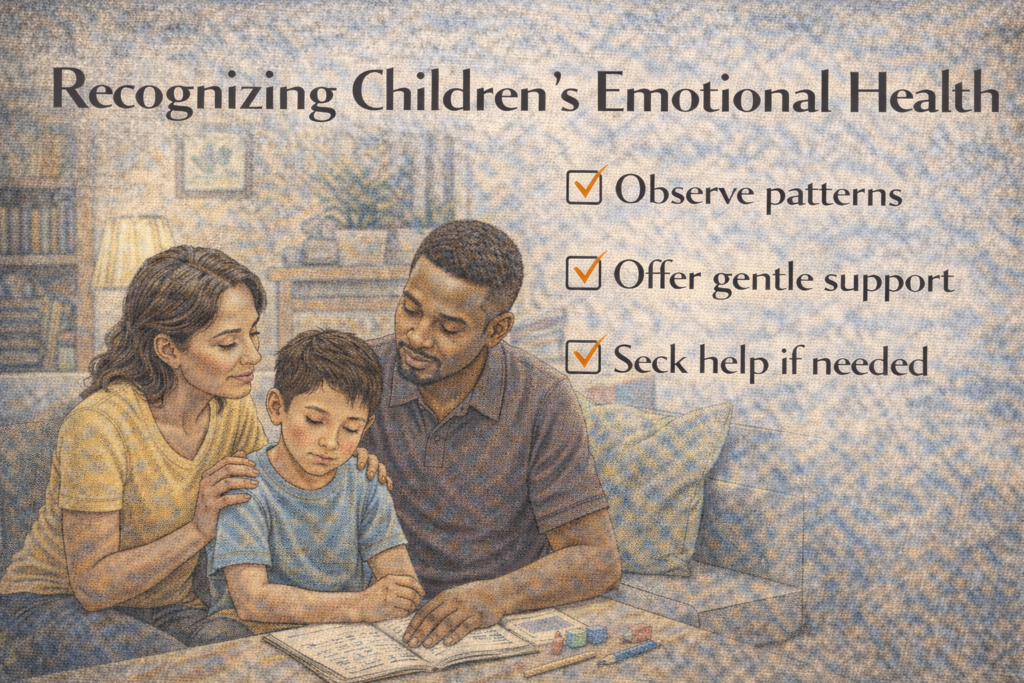
Helping Homeschool Families Recognize and Support Children’s Mental Health

One of the quietest advantages of homeschooling is also one of the most significant. You are there.
Not for a few hours at the end of the day, piecing together how your child’s day went from a backpack full of papers and a one-word answer to “how was school?” You are present for the mornings when something is off before they can name it, the afternoons when frustration spills over into something bigger than the math problem that triggered it, and the weeks when a child who was open and engaged gradually becomes quieter and harder to reach.

Helping Homeschool Families Recognize and Support Children’s Mental Health Read Post »

Scroll to Top